
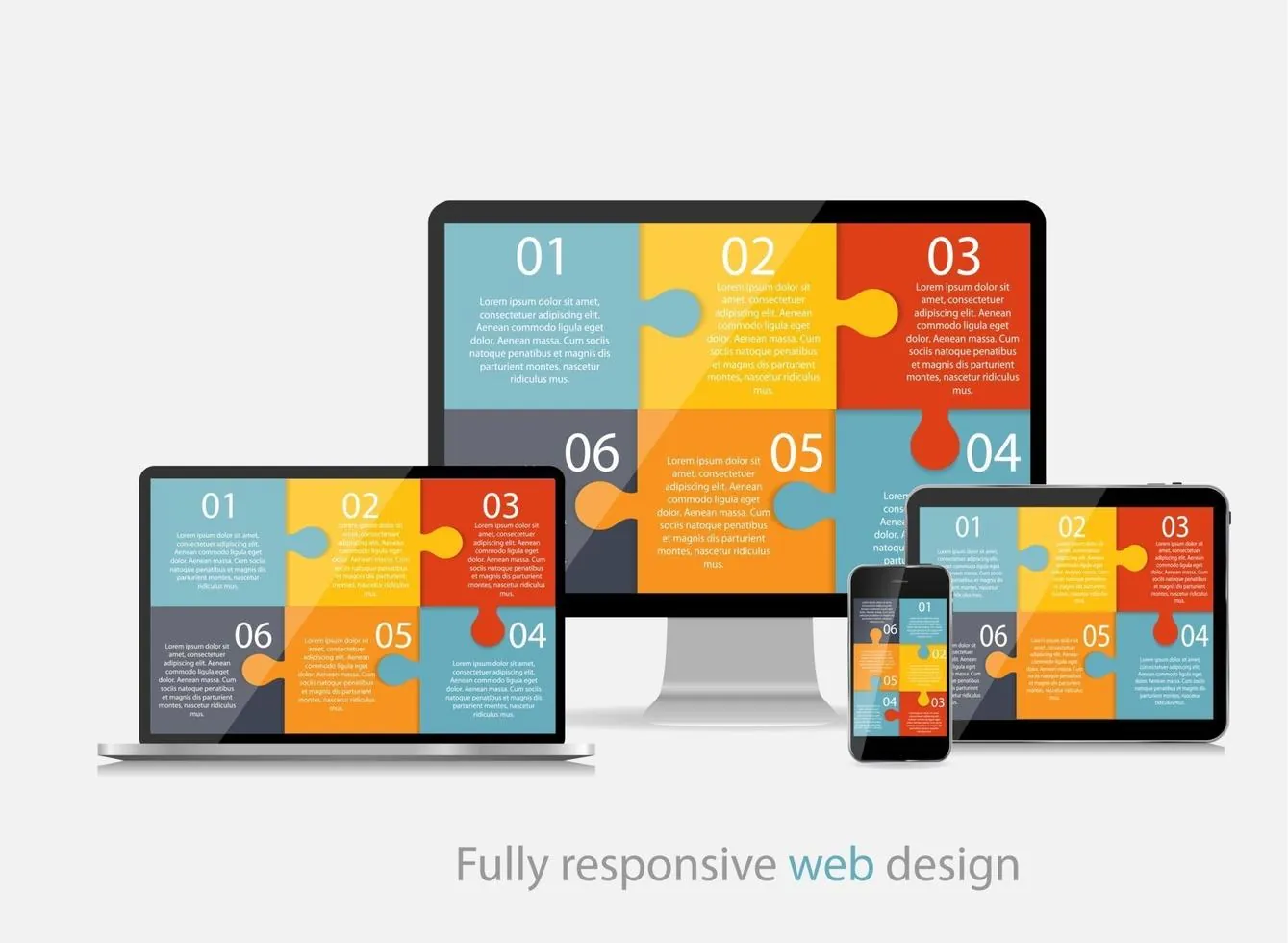
In today’s digital landscape, where mobile internet usage surpasses desktop, responsive design is no longer optional—it is essential. Ensuring that your website adapts seamlessly to different screen sizes is not just a technical requirement; it is a strategic decision. After all, providing a consistent and optimized experience for all users directly impacts engagement, conversions, and your website’s performance in search engines.
What Is Responsive Design?
Responsive web design (or Responsive Web Design) is a development approach that allows web pages to automatically adapt to different devices and screen sizes. Technologies such as fluid grids, flexible images, and CSS media queries are used to adapt the layout to the viewing environment.
Why Is Responsive Design Important?
Improved User Experience: Users expect to browse with ease, regardless of the device they are using. A responsive website eliminates unnecessary zooming and scrolling, making content easier to read and interactions more intuitive. This can reduce bounce rates and increase the time users spend on your site.
SEO — Search Engine Rankings: Google prioritizes mobile-friendly websites through its mobile-first indexing approach. Using a single URL makes indexing easier and helps avoid duplicate-content issues. In addition, a fast, easy-to-navigate website can improve important SEO factors such as page speed and user engagement.
Lower Costs and Easier Maintenance: Instead of maintaining separate desktop and mobile versions, responsive design allows you to manage a single system. This reduces development, testing, and maintenance costs while helping prevent inconsistencies across platforms.
Increased Mobile Traffic and Reach: With more than half of internet traffic coming from mobile devices, a responsive website ensures greater visibility and accessibility for an increasingly mobile audience, especially younger users and consumers on the go.
Higher Conversions and Lower Bounce Rates: A well-adapted layout makes actions such as purchases, sign-ups, and form submissions easier. This can lead to more conversions and better results for your business.
Future-Proof and Flexible: With new devices and screen resolutions constantly emerging, responsive design can adapt to future technologies without requiring a complete website redesign.
Expert Perspectives
Articles from Wired emphasize that responsive design goes beyond media queries; it also involves performance, support for a wide range of devices, and an adaptive mindset. Brad Frost described this concept as an iceberg, where the fluid visual design is only the tip.
Jeremy Keith has argued that web design should embrace the flexible nature of the web, moving away from fixed approaches and adopting the concept of “responsive enhancement.”
CES highlighted that, with the growing diversity of devices, fluid and scalable designs provide greater longevity and adaptability without the need for constant rewrites.
As a Wired article points out, the term “Responsive Design” has become part of the standard and is now largely implicit, reflecting its widespread adoption as a fundamental web design practice.
Expected Results
Responsive design is no longer just a technical choice—it has become a strategic necessity. It improves user experience, strengthens SEO, reduces operational costs, expands reach, and prepares your website for an increasingly fluid digital future. Modern designers and developers need to look beyond aesthetics: responsive design is, without a doubt, essential.
Implementing and prioritizing responsive design is an investment in the long-term success and continued relevance of any digital presence. If you need help creating an effective responsive layout, I can provide practical guidance!
References
COMMUNITY NASSCOM. Benefits of adopting responsive design. Available at: https://community.nasscom.in/communities/mobile-web-development/benefits-adopting-responsive-design. Accessed: August 21, 2025.
DESIGN SQUID. 5 benefits of responsive website design. Available at: https://www.design-squid.com/blog/web-design/5-benefits-of-responsive-website-design. Accessed: August 21, 2025.
ELEARNING INDUSTRY. Website responsive design benefits. Available at: https://elearningindustry.com/advertise/elearning-marketing-resources/blog/website-responsive-design-benefits. Accessed: August 21, 2025.
KEYCDN. Benefits of responsive web design. Available at: https://www.keycdn.com/blog/benefits-of-responsive-web-design. Accessed: August 21, 2025.
MAVEN MARKETING GROUP. 8 benefits of responsive web design. Available at: https://mavenmarketinggroup.com/8-benefits-of-responsive-web-design. Accessed: August 21, 2025.
VERVOLOGY. The top 5 benefits of responsive web design. Available at: https://vervology.com/insights/the-top-5-benefits-of-responsive-web-design. Accessed: August 21, 2025.
WEB DESIGN. 12 benefits of a responsive web design. Available at: https://www.webdesign.org/12-benefits-of-a-responsive-web-design.22565.html. Accessed: August 21, 2025.
WEBYKING. Benefits of responsive web design. Available at: https://www.webyking.com/blog/benefits-of-responsive-web-design. Accessed: August 21, 2025.
WIKIPEDIA. Responsive web design. Available at: https://en.wikipedia.org/wiki/Responsive_web_design. Accessed: August 21, 2025.
WIRED. Take responsive design beyond media queries. Available at: https://www.wired.com/2013/01/take-responsive-design-beyond-media-queries. Accessed: August 21, 2025.
WIRED. Embracing the flexibility of the web with responsive enhancement. Available at: https://www.wired.com/2012/10/embracing-the-flexibility-of-the-web-with-responsive-enhancement. Accessed: August 21, 2025.
WIRED. Building a responsive future-friendly web for everyone. Available at: https://www.wired.com/2012/01/building-a-responsive-future-friendly-web-for-everyone. Accessed: August 21, 2025.